Communal Area Cleaning in SW9
If you manage or live in a block of flats, mansion building, converted house, estate, mixed-use property, or shared residential development in SW9, keeping common spaces clean is not just about appearance. It directly affects comfort, hygiene, safety, and the impression your building gives every day. Communal area cleaning in SW9 is a practical service for landlords, residents’ associations, property managers, housing associations, and commercial occupiers who want shared spaces looked after properly and consistently.
In a busy part of South London, communal spaces collect dirt quickly. Mud, litter, dust, stairwell marks, bin room smells, fingerprints, damp-related grime, and foot traffic all build up faster than many people expect. A reliable local cleaning team can help keep entrances, hallways, stairs, lifts, landings, and shared facilities presentable and comfortable for everyone who uses them.
Whether your property is near busy roads, close to transport links, set back in a residential square, or part of a modern apartment development, the right routine cleaning plan makes a real difference. This page explains what the service includes, how it works, what affects pricing, and why a local team can be especially useful for properties in SW9.
Why communal cleaning matters for SW9 properties

Shared areas are used by multiple residents, visitors, delivery drivers, contractors, and management teams every single day. That means they tend to show wear and tear quickly. In a neighbourhood like SW9, where you’ll find a mix of purpose-built flats, period conversions, estate blocks, and newer apartment schemes, each building has its own cleaning needs. Some need frequent stairwell attention; others need regular lift sanitising, bin store cleaning, or entrance glass care.
A well-maintained communal environment sends the right message. It helps residents feel proud of where they live, supports tenant satisfaction, and can reduce complaints about odours, spillages, litter, or unpleasant-looking shared spaces. For landlords and managing agents, it also helps keep properties more attractive to prospective tenants and buyers. Clean communal areas are part of good building management, not an optional extra.
There are also practical reasons. Dirt and moisture on tiled or vinyl floors can create slip risks, while neglected stair rails, touch points, and entry areas can become unhygienic fast. Regular upkeep helps reduce those issues and keeps the building easier to maintain in the long run.
What communal area cleaning in SW9 can include
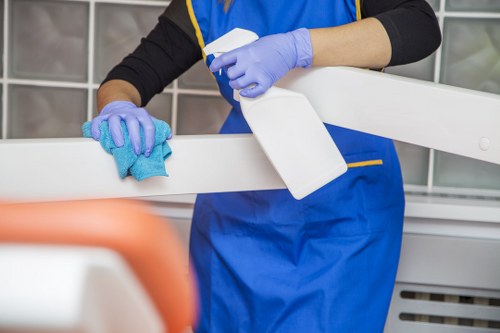
The exact service is usually tailored to the building, the number of residents, the level of foot traffic, and any shared features. For many SW9 properties, a standard visit may include a mix of routine cleaning tasks and targeted attention to high-contact surfaces.
Typical communal cleaning tasks include:
- Sweeping, vacuuming, and mopping shared hallways and corridors
- Cleaning and dusting staircases, landings, skirting boards, and ledges
- Wiping down handrails, bannisters, intercom panels, and light switches
- Cleaning entrance doors, push plates, glass panels, and surrounding frames
- Removing surface litter and small debris from shared spaces
- Cleaning lift interiors, buttons, mirrors, and door surrounds
- Refreshing bin rooms or refuse storage areas where agreed
- Spot-cleaning marks on walls, doors, and communal surfaces
- Cleaning internal windows, where included in the specification
- Checking and reporting obvious issues such as spills, waste build-up, or damage
Some buildings also need extra care in areas such as cycle stores, shared laundry rooms, mail areas, basement corridors, or external entrances. For larger or busier sites, cleaning schedules may be increased to keep pace with the volume of use.
Local properties and access challenges in SW9
Why a local team helps

SW9 includes a variety of streets, estates, and residential developments, each with its own access needs. Some buildings have narrow entrances, controlled entry systems, limited parking, or stair-only access. Others have underground bin storage, lift access, shared courtyards, or split-level communal areas. A local cleaning team that already understands these conditions can work more efficiently and with less disruption.
Parking can be a genuine issue in parts of SW9, especially at peak times or on streets where space is limited. A local provider is more likely to plan visits around practical access arrangements, arrival times, and site-specific instructions. That matters when the work needs to happen quietly, on time, and without disturbing residents or commercial occupiers.
There is also the question of building type. A Victorian conversion in one part of the area will need a different approach from a modern block with glossy communal finishes, or from a mixed-use property where residential entrances sit alongside business premises. A good local service takes these differences seriously rather than applying the same routine everywhere.
Common SW9 property types that benefit from regular cleaning
- Purpose-built apartment blocks
- Estate properties and housing association buildings
- Converted terraces and maisonettes
- Mixed-use buildings with flats above commercial units
- Private rental blocks and shared ownership developments
- Small blocks of flats with limited on-site facilities
How the service works

A strong communal cleaning service starts with understanding the building, its use, and the outcomes you want. Some clients need a straightforward weekly clean. Others want more frequent visits, support with seasonal issues, or help dealing with recurring problems like bin room odours, muddy entranceways, or heavy footfall during wet weather.
Usually, the process begins with an assessment of the communal areas and a discussion about what should be cleaned, how often, and in what order. This can be especially helpful where a building has unusual access arrangements, resident restrictions, or different expectations for different parts of the property. From there, a suitable cleaning schedule is agreed.
Once the service is underway, cleaners follow the agreed list of tasks and priorities. That might mean focusing on touch points and visible surfaces every visit, with deeper attention on floors, corners, and less obvious areas at a set interval. The idea is to keep the building consistently presentable rather than allowing dirt to build up and then trying to catch up later.
What a well-run visit usually involves
- Arriving at the agreed time and accessing the building carefully
- Reviewing priority areas such as entrances, stairs, and touch points
- Carrying out routine cleaning tasks in the scheduled order
- Giving attention to problem areas, spillages, or heavy-use spots
- Leaving shared spaces tidy, safe, and ready for normal use
- Reporting any recurring issues that may need management attention
This approach keeps cleaning predictable and helpful for residents, while also making it easier for managers to track standards over time.
Benefits for residents, landlords, and managing agents
More than just a tidy appearance

People often notice communal cleaning first when something is missing. A neglected stairwell, dusty hallway, or dirty entrance can quickly make a whole building feel poorly managed. By contrast, regular upkeep creates a calmer, more pleasant environment. It helps residents feel respected and makes shared spaces more enjoyable to use.
Key benefits include:
- Better presentation of the building for residents and visitors
- Improved hygiene in high-touch and shared-use areas
- Reduced build-up of dirt, litter, and odours
- Lower chance of complaints related to cleanliness
- More efficient long-term maintenance of flooring and surfaces
- Support for property reputation and tenant satisfaction
For landlords and property managers, a reliable schedule also helps with consistency. Instead of dealing with ad hoc complaints or emergency callouts, you can maintain a clear routine that supports day-to-day management. For residents, it creates a better living experience without them having to worry about the state of shared areas.
In busy residential buildings, routine cleaning is often the difference between a space that feels cared for and one that feels neglected.
Cleaning areas commonly requested in SW9
Because SW9 properties can vary widely, many clients ask for support beyond standard hallway cleaning. The service can usually be shaped around the specific features of the building and the problems that come up most often.
Frequently requested areas
- Front entrances and lobby areas
- Shared corridors and passageways
- Staircases and landings
- Lifts and lift lobbies
- Mailbox areas and internal glass panels
- Bin stores and refuse rooms
- Cycle stores and storage cupboards
- Communal kitchens or laundry rooms in some developments
- Basement or lower-ground shared areas
- Internal windows and ledges
In buildings with commercial tenants, there may also be a need to coordinate around opening hours, deliveries, or quieter cleaning windows. That can be important where an office, clinic, practice, shop, or other business shares access with residents.
Where there is heavy use, the cleaning routine may need to be adjusted at different times of year. Wet weather can mean more mud at entrances. Summer can bring more ventilation needs and more litter near shared doors. Winter often brings extra salt, dampness, and grime from footwear.
What is included in a professional cleaning specification
A proper cleaning specification helps everyone understand what is expected. It is especially useful for block management, resident committees, and landlords who want consistent standards without confusion. The more clearly the scope is set out, the easier it is to keep the service on track.
Examples of a clear specification
- Areas to be cleaned on each visit
- Tasks to be completed weekly, fortnightly, or monthly
- Which products or methods are suitable for different surfaces
- Any restrictions on access, timing, or noise
- Responsibilities for waste collection or spill reporting
- Instructions for sensitive finishes such as glass, polished metal, or stone
Good specifications are practical, not overcomplicated. They should make it easy for the cleaning team to deliver a steady standard, while giving managers confidence that the right jobs are being done in the right places.
If a building has specific concerns, such as lift smears, pigeon debris around entrances, recurring litter, or badly used bin areas, those points should be built into the plan from the start. This makes the service more useful and reduces the chance of the same issues returning week after week.
Preparation checklist before your first visit
To help a cleaning service get started smoothly, a little preparation is useful. This does not need to be complicated, but it does make a difference when the building has multiple access points or shared instructions.
Helpful steps for residents, landlords, or managers
- Confirm which areas are included in the work
- Provide access details for entrances, gates, or key systems
- Share any rules about timing, noise, or resident access
- Point out problem areas that need priority attention
- Let residents know when cleaning is expected to take place
- Ensure bin rooms, storage spaces, or shared cupboards are accessible if they are part of the service
If the building has recently had refurbishment work, pest issues, or a change in occupancy, it can also help to mention that beforehand. Those details allow the schedule to be adjusted more accurately from the outset.
Clear instructions at the start usually lead to smoother visits and better results over time.
Pricing factors for communal area cleaning in SW9
Every building is different, so cleaning costs are normally based on the practical details of the site rather than a fixed one-size-fits-all figure. This is one reason local customers often ask for a tailored quote instead of expecting an instant estimate that may not reflect the real job.
Factors that can affect the quote
- Number of floors, staircases, and landings
- Size of the communal areas
- Frequency of cleaning required
- Level of foot traffic and use
- Whether lifts, bin rooms, or extra shared facilities are included
- Accessibility and parking conditions
- Any specialist tasks such as glass cleaning or periodic deep cleans
- How much time is needed to reach the agreed standard
Buildings that need frequent visits or have larger common areas usually require a different plan from smaller blocks with light use. Equally, a site with regular litter problems or high tenant turnover may need more attention than a quiet building with stable occupancy.
Requesting a free quote is often the easiest way to understand what level of service suits your property. It also allows the cleaning plan to be shaped around your building rather than forcing it into a standard template.
Why choose a local company for SW9 communal spaces
A local provider understands the pace and practical realities of the area. In SW9, timing matters. So does being able to work around limited parking, restricted access, resident schedules, and the everyday pressure that comes with city living. A local team can usually respond more quickly, communicate more easily, and adapt better when the building’s needs change.
There is also value in local familiarity. Communal cleaning in SW9 often means working in blocks close to main roads, near transport connections, or within dense residential streets where access can be awkward. A team that already handles similar buildings in nearby parts of South London is more likely to arrive prepared for those conditions.
For many customers, the main advantage is reliability. It is easier to keep a routine on track when the service provider knows the area well, can plan travel realistically, and understands what different property types require. That can make a noticeable difference to overall building standards.
Local knowledge can help with
- Access timings and entry instructions
- Parking restrictions and loading challenges
- Matching the cleaning plan to the property type
- Responding quickly to recurring cleaning issues
- Working around residents, businesses, or building management rules
Areas covered around SW9
Communal area cleaning in SW9 is often requested by customers across a wide local patch, including nearby residential streets, estates, apartment developments, and mixed-use buildings. If your property sits within or close to the SW9 area, a local service can usually arrange a suitable visit pattern based on your site’s access and cleaning needs.
That may include buildings near busy transport routes, homes close to parks and open spaces, or residential blocks tucked away on quieter side streets. The important thing is not the exact street name, but whether the property needs routine shared-area cleaning that fits the local environment and the way the building is used.
Common customer types in the area include:
- Private landlords with small or medium-sized blocks
- Managing agents overseeing multiple properties
- Housing associations maintaining resident blocks
- Residents’ associations looking after shared spaces
- Commercial property owners with mixed-use buildings
- Developers and new-build block managers
If you are unsure whether your site falls within the usual service area or whether your building is suitable for a regular cleaning plan, it is best to request a quote and discuss the layout and requirements.
What makes a good communal cleaning service?
The best cleaning service for a shared building is not necessarily the most complicated one. It is usually the one that is consistent, practical, and responsive to the building’s real needs. That means turning up as agreed, following the cleaning specification properly, and paying attention to the areas residents notice most.
Look for a service that offers:
- Clear communication about visits and duties
- Flexibility for different building layouts and schedules
- Attention to detail in visible and high-touch areas
- Consistency from one visit to the next
- Experience with shared residential and mixed-use properties
- A sensible approach to recurring issues rather than just surface-level tidying
In communal environments, small details matter. Clean door frames, tidy corners, fresh-smelling bin spaces, and dust-free bannisters all contribute to a building that feels looked after. People may not always notice every individual task, but they do notice the overall standard.
Reliability, flexibility, and attention to detail are often what separate an acceptable service from a genuinely useful one.
FAQs about communal area cleaning in SW9
How often should communal areas be cleaned?
It depends on foot traffic, building size, and resident use. Some blocks need weekly visits, while busier or larger properties may benefit from more frequent cleaning. A suitable schedule can be recommended after assessing the site.
Can the service be tailored to our building?
Yes. Most communal cleaning arrangements are adapted to the property. That may include extra focus on lifts, bin areas, internal windows, entrance glass, or stairwells depending on what matters most in your building.
Do you clean both residential and mixed-use properties?
Yes, many SW9 properties have both residential and commercial elements. Mixed-use buildings often need careful scheduling and a cleaning routine that respects both occupants and access arrangements.
What if our building has awkward access or limited parking?
That is common in parts of SW9. A local team can factor access notes, entry instructions, and parking challenges into the plan so the service runs as smoothly as possible.
Can we request a one-off clean before starting regular visits?
In many cases, yes. A one-off clean can be useful after refurbishment, a tenant change, or a period when the communal areas have fallen behind. It can also help create a clean starting point before a regular schedule begins.
How do we get started?
Simply request a free quote, explain the property type and the areas you want cleaned, and share any access or timing requirements. From there, a suitable plan can be arranged.
Book communal area cleaning in SW9
If your building needs dependable shared-space cleaning, now is a good time to put a regular plan in place. Clean communal areas improve everyday comfort, support property presentation, and help keep residents happy with where they live or work.
Whether you need a routine service for a small block of flats, cleaning support for a larger residential estate, or a tailored arrangement for a mixed-use building, a local team can help you find a practical solution. Contact us today to discuss your communal area cleaning in SW9, request a free quote, or book your service now.
Keeping shared spaces clean does not have to be a constant problem. With the right local support, your hallways, stairs, entrances, and common areas can stay neat, hygienic, and ready for daily use.