Health and Safety Policy for Cleaners SW9
 Health and safety for cleaners in SW9 is central to delivering reliable, professional cleaning services while protecting staff, clients, and visitors. This policy sets out the practical standards expected in day-to-day work, with a clear focus on safe methods, responsible conduct, and consistent risk awareness. Whether carrying out domestic cleaning, office maintenance, or specialist tasks, every cleaner must follow approved procedures and use equipment correctly.
Our approach to cleaning safety in SW9 begins with prevention. Before any job starts, cleaners should assess the work area, identify hazards, and take steps to reduce risk. Common concerns include slippery floors, electrical items, sharp objects, chemical exposure, and lifting strain. By staying alert and working methodically, cleaning staff can maintain a safe environment without compromising service quality.
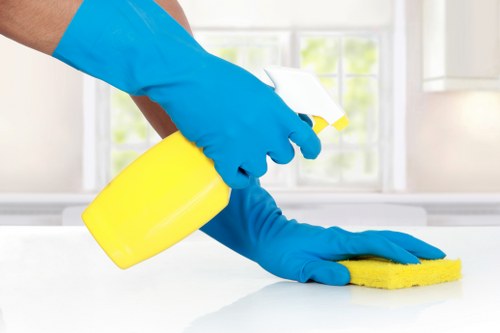
 All personnel are expected to use suitable personal protective equipment where required, including gloves, non-slip footwear, and eye protection when handling stronger products. Cleaning products must be stored, labelled, and used according to instructions, and no substance should be mixed unless its compatibility is clearly known. A tidy workspace, correct dilution, and careful application all help reduce accidents and ensure safer outcomes for everyone on site.
Training and supervision are essential parts of any effective cleaners SW9 health and safety policy. Staff should receive instruction on safe lifting, manual handling, use of tools, and emergency procedures before working independently. New or changing tasks may require additional briefings so that risks are fully understood. Supervisors are responsible for checking that procedures are followed and that any concerns are addressed promptly.
Equipment used by our SW9 cleaning team must be checked before and after use. Cables, plugs, mops, vacuum cleaners, ladders, and other tools should be kept in good condition and reported if damaged or unsafe. Faulty equipment must not be used until repaired or replaced. Regular inspections support safe working practices and reduce the chance of avoidable incidents.
 When moving between rooms or cleaning busy spaces, staff must pay attention to access routes, warning signs, and the presence of other people. Floors should be kept as dry as possible, and any spillages must be dealt with quickly and clearly marked until safe. Good communication helps prevent collisions, slips, and confusion, especially in shared or occupied properties where people may be moving through the area at the same time.
Risk assessments form the foundation of safe professional cleaners SW9 work. Each task should be considered in advance, with attention given to the type of premises, the products required, the height of any surfaces, and the condition of the flooring or furnishings. Where hazards cannot be removed entirely, suitable control measures should be introduced. This may include restricting access, using additional equipment, or adjusting the method of work.
Emergency readiness is also part of this policy. Cleaners should know how to respond to fire alarms, accidents, chemical splashes, and other urgent situations. First aid supplies should be available where appropriate, and incidents must be reported as soon as possible. If a cleaner feels unwell, fatigued, or unsure about a task, they should stop work and seek guidance before continuing.
Manual handling is another key area of concern. Heavy bags, water containers, furniture, and equipment should be moved using safe technique and, where necessary, team support. Loads should be assessed before lifting, and awkward movements should be avoided. Taking a moment to plan the route and posture can reduce strain on the back, shoulders, and joints, helping maintain long-term workplace wellbeing.
 Environmental responsibility supports health and safety by encouraging the careful use of materials and the reduction of unnecessary waste. Choosing the right product for the right task lowers the chance of misuse and exposure, while proper disposal of waste protects both people and surroundings. Cleaners should avoid leaving items obstructing walkways, outlets, or exits, as clutter creates avoidable hazards.
We expect all cleaning operatives in SW9 to work with professionalism, respect, and attention to detail. Safe conduct includes following instructions, reporting defects, maintaining personal hygiene, and never taking shortcuts that could put others at risk. Compliance with health and safety requirements is not optional; it is part of delivering dependable service and preserving trust in every assignment.
 This policy will be reviewed regularly to make sure it remains effective, current, and suitable for the tasks being carried out. As cleaning methods, materials, and equipment evolve, safety practices must also adapt. By maintaining high standards and a strong safety culture, cleaners SW9 can carry out their work efficiently while protecting themselves and everyone around them.