Recycling and Sustainability for Cleaners SW9
 Cleaners SW9 is committed to practical, locally rooted sustainability. Our recycling-focused cleaning service in SW9 is designed to reduce waste, support responsible disposal, and make everyday cleaning part of a broader low-impact routine. In a busy part of South London where homes, offices, and shared buildings generate a constant stream of packaging, paper, plastics, and cleaning-related materials, we work with a clear recycling percentage target in mind: to ensure that at least 90% of recoverable waste from our operational activities is diverted away from landfill or incineration where facilities and local rules allow. That means separating waste at source, choosing recyclable supplies where possible, and working with local processing routes that keep valuable materials in circulation.
Our approach to Cleaners SW9 recycling starts with everyday choices. We aim to reduce single-use items, prefer refillable containers, and select packaging that can be sorted through local borough collections. In the SW9 area, waste separation often reflects the borough system’s emphasis on keeping mixed recycling clean and uncontaminated, so we mirror that logic in our work. Paper, cardboard, glass, metal, and selected plastics are separated carefully, while general waste is kept to a minimum. This focus helps support the boroughs’ wider recycling performance and avoids unnecessary contamination at transfer and sorting stages.
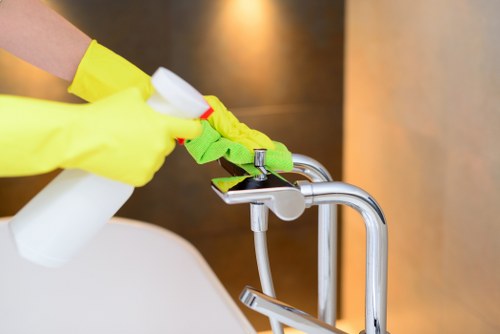 Because sustainability is more than just collection and disposal, our cleaning operations also consider the full journey of materials. Whenever we replace worn cloths, refillable bottles, or protective packaging, we look for recycling streams that can handle those items efficiently. We also aim to minimise the carbon footprint of our logistics by grouping visits, planning routes sensibly, and using low-carbon vans for service runs in and around SW9. These vehicles help cut emissions across our transport network while keeping our cleaning support responsive and reliable.
Local infrastructure matters too. Cleaners SW9 works with nearby local transfer stations and waste handling facilities that serve South London collection networks. These facilities are important links between households, businesses, and the larger recycling system: they sort, bale, reprocess, and redirect materials into specialist streams. By using well-managed transfer points, we can ensure that separated waste from our cleaning activities is handled responsibly and routed to the most suitable downstream facility. This is especially important for items that need particular treatment, such as mixed paper, lightweight plastic film, or scrap metal generated during office clear-outs and communal area maintenance.
We also pay close attention to borough-specific separation habits because they influence how effectively waste can be recovered. In many local settings, recycling in SW9 means understanding the difference between dry mixed recycling, food waste, residual waste, and specialist items such as batteries or small electricals. While our core work is cleaning rather than collection, we help reinforce good separation by keeping recyclable debris distinct during internal operations, using clearly labelled containers, and removing waste in a way that supports the local waste hierarchy. This careful process helps increase the proportion of materials that are actually recycled rather than rejected at sorting plants.
 Another part of our sustainability effort is our partnership approach. We collaborate with charities and community organisations that can make use of suitable surplus items recovered during clearance-related cleaning, provided they are safe, clean, and appropriate for reuse. Textiles, office items, household goods, and durable furnishings may be redirected to charitable partners instead of entering the waste stream. This not only extends the life of usable products but also supports local social value. In a community-minded area like SW9, charitable reuse is a meaningful complement to recycling because it keeps items in circulation for longer and reduces demand for new production.
Our low-carbon strategy extends beyond vans and waste handling. We aim to reduce energy use in equipment selection, favouring efficient machines, reusable microfibre systems, and measured use of water and cleaning solutions. This reduces the number of disposables required and helps lower the hidden environmental cost of routine maintenance. For clients seeking eco-conscious cleaning in SW9, these details matter: sustainability is not just an annual promise, but a set of daily decisions about tools, transport, sorting, and recovery.
Cleaners SW9 also recognises the role of communal spaces in shaping recycling outcomes. Flats, shared entrances, workspaces, and mixed-use buildings often depend on clear separation practices, tidy storage of recycling bins, and regular removal of contamination. We support this by keeping recyclable materials distinct during our work and by being mindful of local borough collection patterns. Whether dealing with cardboard from deliveries, paper from office cleaning, or separated packaging from shared kitchens, our process aims to match the expectations of local waste systems and improve the quality of collected recyclables.
Why this matters is simple: better separation leads to better recovery. When waste is sorted correctly, transfer stations and recycling facilities can process more of it into new products. That means fewer materials lost to landfill, less energy wasted in reprocessing contaminated loads, and stronger environmental performance across the borough. For Cleaners SW9, sustainability is therefore part of service quality. It supports cleaner properties, lower emissions, and a more responsible local economy. By combining a high recycling percentage target, access to local transfer stations, charity partnerships, and low-carbon vans, we help make everyday cleaning more environmentally effective.
 We continue to refine our recycling practices as local facilities, borough collection rules, and material recovery options evolve. This includes tracking which waste streams can be separated more effectively, choosing suppliers with better packaging standards, and strengthening reuse opportunities wherever possible. The result is a practical sustainability model that suits the needs of SW9 while remaining flexible enough to adapt to new environmental expectations.
 For households and organisations looking for recycling-aware cleaners in SW9, our approach combines dependable service with measurable environmental intent. By keeping waste separation clear, supporting charity reuse, using transfer stations responsibly, and operating low-carbon vans, Cleaners SW9 helps turn routine cleaning into a cleaner, greener contribution to the local area.